
Are Magic Mushrooms the Future of Mental Health Treatment?
Treatment options for mental health issues are evolving, and you may have heard about the potential of magic mushrooms in this landscape. These psychedelic fungi have garnered attention for their promising effects on various mental health conditions, including depression and PTSD. In this blog post, you will explore the science behind magic mushrooms, their therapeutic benefits, and what the future holds for psychedelics in mental health treatment. Join us as we investigate into a fascinating realm that could reshape your understanding of mental wellness.
Key Takeaways:
- Magic Mushrooms contain psilocybin, which has shown potential in treating various mental health disorders.
- Clinical Trials indicate that psilocybin can help reduce symptoms of depression and anxiety, especially in patients with terminal illnesses.
- Microdosing is gaining popularity, suggesting that even small amounts of psilocybin may enhance mood and creativity without causing hallucinations.
- Legal Status is evolving, as some regions are beginning to decriminalize or regulate psilocybin for therapeutic use.
- Holistic Approach emphasizes the need for therapeutic support alongside psilocybin use to maximize benefits and minimize risks.
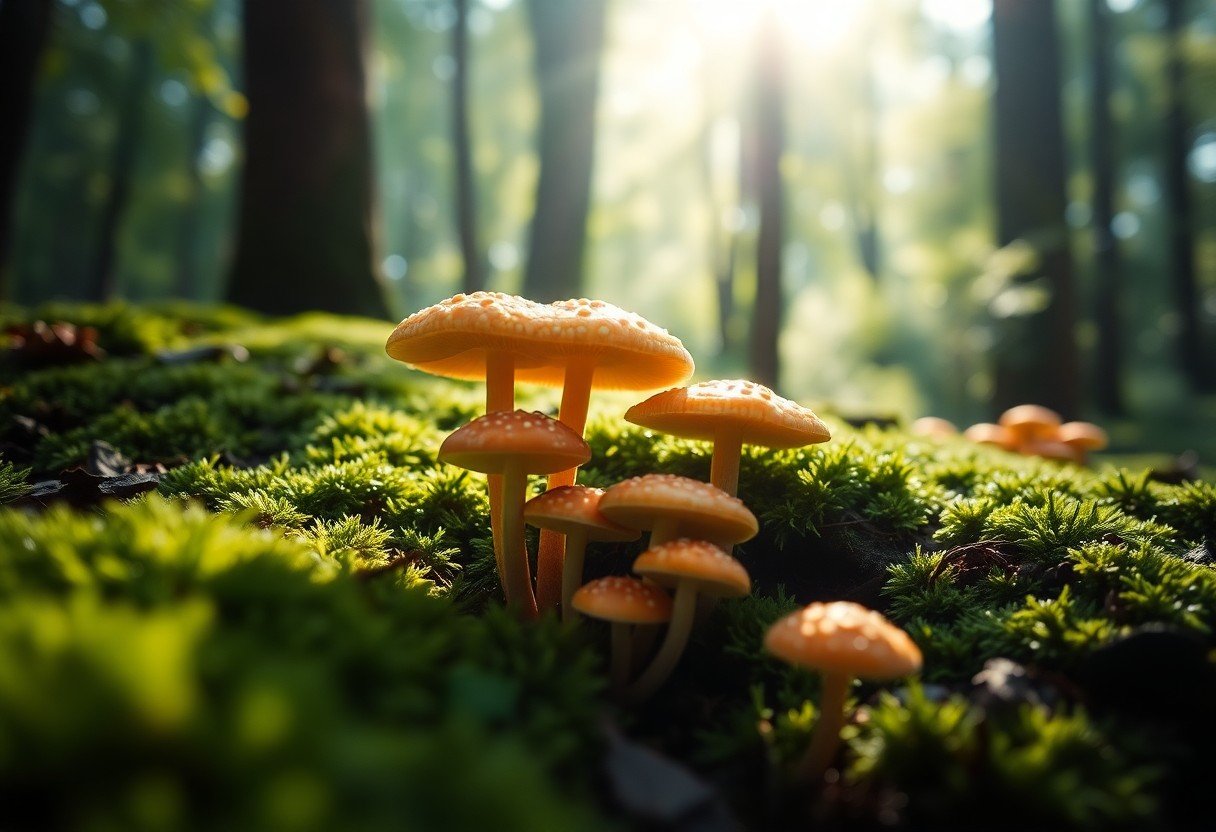
Understanding Magic Mushrooms
Your exploration into the fascinating world of magic mushrooms begins with a closer look at their active compounds known for their profound effects on the human psyche. The primary psychoactive component found in these mushrooms is psilocybin, which is converted into psilocin upon ingestion. Psilocin interacts with serotonin receptors in the brain, leading to altered perception, enhanced emotional experiences, and a profound sense of introspection. Users often report a feeling of connection not only to themselves but also to their surroundings and the universe at large, making the experience deeply transformative for many.
Active Compounds and Their Effects
Mushrooms contain several compounds, but it is primarily psilocybin and psilocin that are credited with their psychoactive properties. As you probe into the therapeutic potential, it’s important to recognize how these compounds may alleviate symptoms of mental health disorders such as depression, anxiety, and PTSD. Research suggests that the use of psilocybin can promote neuroplasticity, enhance emotional regulation, and foster new perspectives, which can be life-changing for those struggling with mental health issues.
Historical Use in Healing Practices
Between ancient civilizations and indigenous tribes, magic mushrooms have played a significant role in spiritual and healing rituals for centuries. Cultures around the globe, from the Mazatec in Mexico to various tribes in the Amazon rainforest, have long recognized the potential benefits of psilocybin-containing mushrooms as tools for healing and self-discovery. These practices often involve guided journeys under the influence of the mushrooms in a safe and supportive environment, with the aim of uncovering insights about oneself and addressing emotional pains.
Even today, there is a resurgence of interest in these historical uses as modern researchers and therapists explore how ancient wisdom can inform contemporary mental health treatments. The revival of psychedelic therapy that incorporates magic mushrooms is grounded in traditional practices where the emphasis is placed on healing the mind through guided introspection and altered states of consciousness. This historical context provides a rich foundation for understanding how you can benefit from the medicinal potential of magic mushrooms in today’s mental health landscape.
Current Research on Mental Health Benefits
Now, many leading researchers and institutions are exploring the potential of magic mushrooms in treating various mental health disorders. With an increasing number of clinical trials and studies being initiated, the body of evidence supporting the therapeutic use of psilocybin—the active compound in magic mushrooms—continues to grow. You may find it interesting that some recent findings indicate that psilocybin could help alleviate symptoms of depression and anxiety, offering a new avenue for those who have faced limited success with traditional treatments.
Studies on Depression and Anxiety
Studies have shown that psilocybin can lead to significant reductions in depression and anxiety symptoms, particularly in individuals facing terminal illnesses. In several trials, participants reported not only an immediate improvement in their mood but also long-lasting effects that persisted long after the session. This indicates that psilocybin might have a unique capability to change how you experience and process emotional challenges, offering a more profound shift than conventional antidepressants.
The Role in PTSD Treatment
Studies suggest that psilocybin may also play an important role in treating post-traumatic stress disorder (PTSD). Participants in clinical trials have reported reductions in PTSD symptoms following psilocybin-assisted therapy, highlighting its potential to help you process painful memories and reframe your emotional responses to trauma. As researchers examine its effectiveness further, there is optimism in the medical community about incorporating this treatment into established trauma care paradigms.
Research has shown that the combination of psilocybin and psychotherapy can enhance emotional connectivity and provide new insights in a safe and supportive environment. For individuals grappling with the aftermath of traumatic experiences, this can facilitate a healing journey that is both transformative and empowering. As studies continue to accumulate, your understanding of how psilocybin interacts with the brain in the context of PTSD will only deepen, potentially leading to groundbreaking changes in treatment options available to you.
Mechanisms of Action
Many researchers are delving into how magic mushrooms and other psychedelics can influence mental health through their distinct mechanisms of action. The primary psychoactive compound in magic mushrooms, psilocybin, is metabolized into psilocin, which is known to bind to serotonin receptors in the brain. This interaction may lead to alterations in mood, perception, and cognition. As you explore these changes, it becomes evident that the serotonergic system plays a pivotal role in how psychedelics can contribute to mental health improvements, especially in conditions like depression and anxiety.
How Psychedelics Affect Brain Chemistry
Psychedelics have a unique ability to shift brain chemistry by primarily impacting serotonin receptors, particularly the 5-HT2A receptor. This interaction can result in an increase in neural connectivity, allowing for greater communication between different regions of the brain. You may find that this heightened connectivity allows for new experiences, perspectives, and modes of thinking, potentially offering therapeutic benefits for mental health disorders. Additionally, the resulting changes in neurotransmitter levels can lead to an enhanced emotional uptake, allowing for a more profound processing of experiences.
Neuroplasticity and Its Implications
On the front of neuroplasticity, recent studies suggest that psychedelics like psilocybin can promote the growth of new neural connections, which is a vital component of how your brain adapts to novel experiences and recovers from trauma. This enhanced neuroplasticity may allow individuals suffering from conditions like PTSD, depression, or anxiety to break free from entrenched patterns of thought and behavior. By facilitating this process, psychedelics may open up pathways to healing that were previously inaccessible.
Plus, the implications of neuroplasticity are profound; as you engage with more flexible thought patterns, there’s a potential for long-lasting changes in how you perceive and respond to your environment. The ability to reshape your mental landscape through therapeutic insights gained during psychedelic experiences could lead to improved coping strategies, a reduction in symptoms of mental illness, and a general increase in well-being. Understanding these processes might illuminate why some individuals report transformative experiences during their therapy sessions involving magic mushrooms.
Potential Risks and Considerations
Not everyone is a suitable candidate for psilocybin therapy, and there are potential risks associated with its use. While magic mushrooms may show promise for treating various mental health conditions, those with a personal or family history of certain psychiatric issues may find the experience exacerbates their symptoms. It is imperative for you to consult with a qualified healthcare professional before considering this treatment, as they can assess your mental health history and the potential impact of psilocybin on your specific situation. Additionally, the psychological effects can be unpredictable; in some cases, individuals may experience adverse reactions such as anxiety, paranoia, or prolonged distress.
Side Effects and Safety Profile
Beside the potential benefits, you should also be aware of the side effects associated with magic mushrooms. Common experiences during a psilocybin trip can include hallucinations, changes in perception, and a distorted sense of time. These effects can be disorienting, especially in unfamiliar environments or among unsettling company, which may lead to negative experiences. You might also face physical side effects such as dizziness, nausea, or headache, which can vary from person to person. Given these considerations, ensuring a safe and supportive environment is vital should you choose to explore this treatment option.
Legal and Ethical Issues Surrounding Use
Ethical concerns abound in psilocybin therapy, particularly regarding its legal status and accessibility to those in need. In many regions, psilocybin remains classified as an illegal substance, which complicates clinical research and public access. This criminalization can lead to inequitable access to potentially life-saving treatments, as well as stigmatization of individuals seeking help for mental health. You should weigh the ethical implications connected to using a substance still considered illegal in many places, particularly if you are considering sourcing it outside of a supervised medical setting.
Further complicating the legal landscape, you might find that some jurisdictions have begun to relax their laws surrounding the use of psilocybin, allowing for clinical trials or even therapeutic use in specific contexts. However, it is important for you to stay informed about the laws in your area, as well as the potential consequences of using magic mushrooms without a legal framework. Understanding both the legal and ethical dimensions can help you make informed choices regarding your mental health treatment and the direction of ongoing discussions about psilocybin’s role in mental health therapy.
Case Studies and Patient Experiences
All emerging evidence suggests that magic mushrooms may play a significant role in revolutionizing mental health treatments. A number of case studies have emerged, showcasing the effectiveness of psilocybin, the psychoactive compound found in magic mushrooms, in alleviating symptoms of various mental health conditions. Here’s a detailed overview of several key case studies that highlight patient experiences:
- Johns Hopkins University (2016): In a study of 51 participants with life-threatening cancer, 80% experienced significant reductions in anxiety and depression after just one dose of psilocybin.
- NYU Langone Health (2016): Among 29 patients with advanced-stage cancer, 57% reported a complete response and a subsequent decrease in anxiety and depression following treatment.
- Imperial College London (2016): In a trial involving 12 participants with treatment-resistant depression, 67% of patients showed significant improvement in their symptoms two weeks post-treatment.
- UCLA (2020): A study targeting patients with PTSD found that 7 out of 10 participants experienced a marked reduction in their symptoms, with many reporting lasting effects after just two sessions.
Success Stories from Clinical Trials
At the forefront of the research on magic mushrooms are inspiring success stories arising from clinical trials. The compelling data indicates that psilocybin, when used under controlled conditions, leads to substantial and sometimes transformative improvements in mental health. In one notable trial, about 90% of participants with treatment-resistant depression reported a positive response immediately following a psilocybin session, and many experienced lasting effects for months afterward. This success not only illuminates the potential of psychedelic therapy but also offers hope where traditional treatments have stalled.
Personal Accounts and Testimonials
Trials of psilocybin therapy have produced a variety of personal accounts and testimonials that are deeply impactful. Patients have reported more than just symptom relief; many describe profound life changes following their experiences. For instance, one participant shared how their journey with psilocybin allowed them to confront and process deep-seated grief, leading to a newfound appreciation for life. Such narratives showcase the potential of magic mushrooms to catalyze significant emotional healing, shifting perspectives in ways that conventional therapies often fail to achieve.
Indeed, personal accounts from individuals who have participated in these trials illustrate the breadth of emotional and psychological benefits that can be attained. Many describe experiencing an overwhelming sense of connection to others and the world around them, helping them to break cycles of isolation and despair that often accompany mental health disorders. These testimonials not only provide anecdotal support for the clinical data but also highlight the unique and profound experiences that psilocybin may offer, reinforcing the notion that this treatment could redefine the landscape of mental health care. As you probe deeper into this topic, it becomes clear that there is a growing chorus of voices advocating for the inclusion of psilocybin in mainstream mental health treatment protocols.
Future Directions in Treatment
After years of stigma and misunderstanding, mental health treatment is on the verge of a transformative shift. As you explore the potential of magic mushrooms, you may find yourself considering how these natural psychedelics could dramatically change your approach to mental health challenges. Ongoing research is uncovering promising evidence that suggests they may not only alleviate symptoms but potentially address the root causes of your condition, providing a more holistic approach to treatment. With growing acceptance within both scientific circles and popular culture, the future of mental health treatment could be partly defined by these remarkable compounds.
Ongoing Research and Trials
At the forefront of this innovative movement are numerous studies and clinical trials investigating the efficacy of psilocybin, the active compound in magic mushrooms. These trials are designed to explore various aspects of mental health, from depression and anxiety to PTSD and addiction. As you investigate into the details of these trials, you will uncover promising results that indicate significant improvements in participants’ mental well-being, often after just a few doses. The continuing accumulation of data will help reshape your understanding of the therapeutic potential of psychedelics in mental health care.
Integration into Conventional Therapies
Before magic mushrooms can be widely accepted within mainstream mental health practices, it is necessary to thoroughly examine how they can best complement existing treatment methods. Researchers are investigating the ideal settings, dosages, and therapeutic frameworks to integrate these substances into psychotherapy. You may find it interesting that professionals envision a model where psilocybin sessions are combined with traditional talk therapies, enriching your therapeutic experience and incentivizing deeper introspection and healing.
Plus, the integration of magic mushrooms into conventional therapies could mean that you benefit from a multi-faceted approach to mental health care. The goal would be to create an adaptable framework that harnesses the strengths of both psychedelic and traditional methods, allowing you to experience a more personalized and effective treatment path. As you follow these advancements, the potential for a shift in how mental health issues are addressed continues to arise, emphasizing the importance of blending innovative strategies with established practices for optimal outcomes.
To wrap up
Taking this into account, you can see that the conversation surrounding magic mushrooms and their potential in mental health treatment is gaining momentum. As research evolves and more studies emerge, you may find that these psychedelics offer a different approach to mental well-being, especially for conditions like depression and anxiety. The increasing interest from both the scientific community and the public reflects a shift towards exploring innovative solutions in the fight against mental illness.
As you consider the implications of psychedelics in therapy, it’s important to keep informed about ongoing developments. You can examine deeper into the topic through resources like the emergence of psychedelics as medicine, which provides insights into how these substances might fundamentally change the landscape of mental health treatment in the future. Ultimately, staying engaged with these conversations will empower you to understand how such therapies may fit into your own or others’ mental health journeys.
Q: What are magic mushrooms and how do they affect mental health?
A: Magic mushrooms, also known as psilocybin mushrooms, contain the active compound psilocybin, which is known to induce psychedelic effects. These mushrooms have been studied for their potential to treat various mental health conditions, including depression, anxiety, PTSD, and addiction. Research suggests that psilocybin can lead to profound experiences that may foster therapeutic insights, enhance emotional processing, and promote a sense of interconnectedness. This, in turn, can be beneficial for mental health, potentially leading to lasting improvements in mood and emotional well-being.
Q: What does current research say about the potential of magic mushrooms in mental health treatment?
A: Recent studies into psilocybin therapy have shown promising results in treating mood disorders, anxiety, and substance use disorders. Clinical trials have indicated that participants receiving psilocybin often report significant reductions in symptoms, with effects lasting for weeks or months post-treatment. Researchers are investigating optimal dosages, therapeutic settings, and the mechanism by which psilocybin might promote neuroplasticity and emotional healing. However, further research is necessary to fully understand its long-term effectiveness and safety across diverse populations.
Q: What are the challenges and considerations surrounding the use of magic mushrooms in mental health treatment?
A: While the potential for using magic mushrooms in therapy is exciting, there are several challenges to address. Legal and regulatory barriers still exist in many regions, as psilocybin is classified as a controlled substance in several countries. Additionally, the therapeutic use of magic mushrooms requires careful integration into clinical settings, ensuring that patients are screened properly and that experiences are guided by trained professionals to minimize risks such as psychological distress or challenging trips. Further education on their use and careful monitoring of treatment protocols are vital for safe integration into mainstream mental health care.



Add comment