
How to Tell the Difference Between Real and Fake Magic Mushrooms
Magic mushrooms can offer a fascinating experience, but identifying the genuine ones is vital for your safety and enjoyment. In this guide, you will learn how to distinguish between real and fake magic mushrooms, ensuring you make informed choices. You’ll discover key characteristics, including color variations, texture, and habitat, that will empower you to differentiate between species effectively. With this knowledge, you can confidently navigate the world of psychedelics without the risk of using harmful substitutes.
Key Takeaways:
- Identification: Learn to identify the specific characteristics of real magic mushrooms, such as their size, color, and spore print.
- Location: Real magic mushrooms typically grow in specific environments; being aware of these habitats can help differentiate them from fake varieties.
- Texture and Smell: Authentic magic mushrooms have a distinct texture and smell. Familiarize yourself with these sensory details to aid in identification.
- Consult Resources: Use reliable field guides or online databases to cross-reference images and details about genuine magic mushrooms.
- Seek Expert Advice: When in doubt, consult with an experienced mycologist or local foraging groups who can provide guidance on mushroom identification.
Understanding Magic Mushrooms
While you may have heard about magic mushrooms, understanding what they truly are can enhance your experience and knowledge. Magic mushrooms, or psilocybin mushrooms, contain psychoactive compounds that can alter perception, mood, and thought. Commonly used for recreational and therapeutic purposes, these mushrooms have been revered in various cultures for their spiritual and healing properties. It’s important for you to be aware of the potential effects and safe usage guidelines to fully appreciate what they offer.
What Are Magic Mushrooms?
Understanding magic mushrooms requires knowing about their primary ingredient: psilocybin. When ingested, psilocybin is converted into psilocin, which interacts with serotonin receptors in your brain, leading to changes in perception and consciousness. These experiences can vary widely from person to person, often depending on factors like your mindset and environment. As you explore this realm, being informed about the nature of these substances can help you navigate their effects safely.
Common Species of Magic Mushrooms
There’s a wide variety of magic mushrooms, with several species being more commonly found and consumed. Some of the most popular include Psilocybe cubensis, known for its accessibility and manageable potency, and Psilocybe semilanceata, often found in grassy areas and celebrated for its strong effects. These species typically flourish in temperate regions, yet their appearance can be deceptive, making it vital for you to learn how to identify the distinctive features of each type to avoid any potential dangers.
Mushrooms such as Psilocybe cyanescens and Psilocybe azurescens are also noteworthy for their potency and unique characteristics. Each species has specific growing conditions and appearance traits, including cap shapes, colors, and spore prints. By familiarizing yourself with these common species and their identifying markers, you will be better prepared to differentiate between real and fake magic mushrooms, ensuring a safer experience during your exploration of psychedelics.
Identifying Real Magic Mushrooms
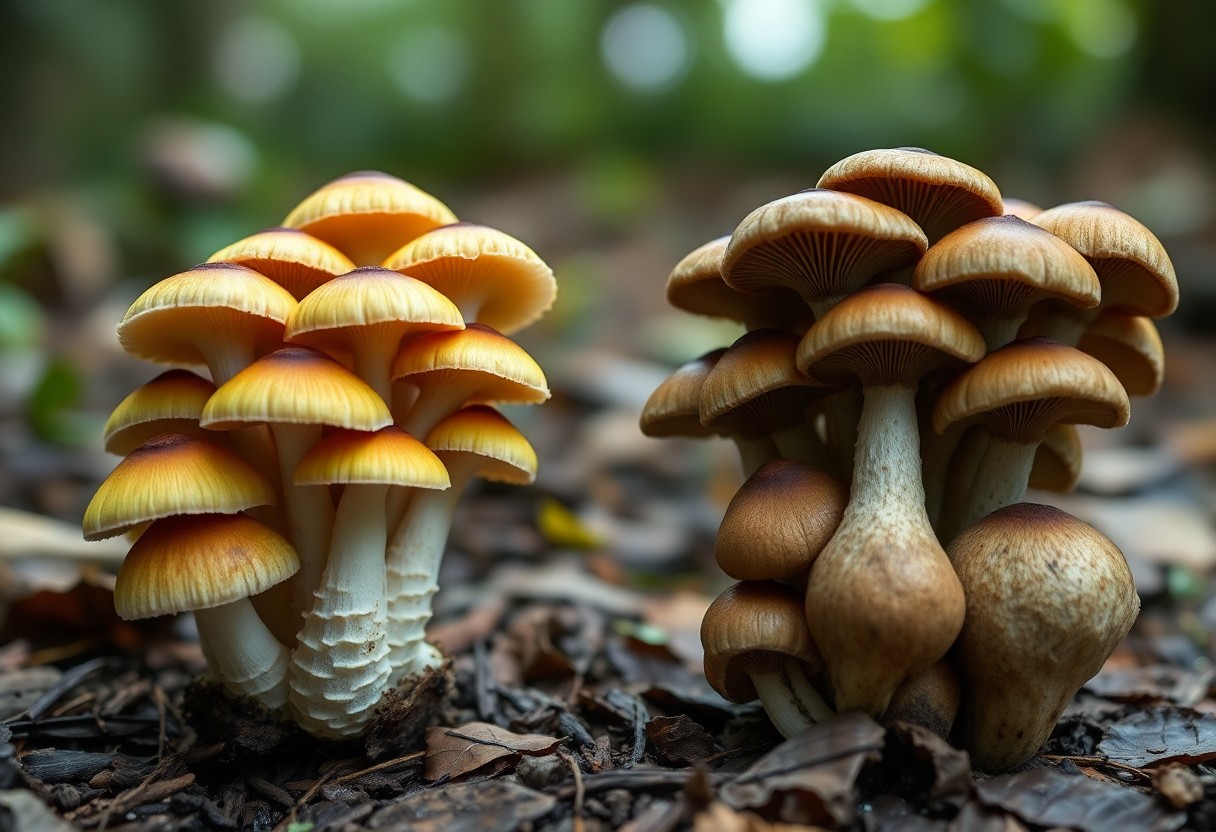
Assuming you’re interested in recognizing genuine magic mushrooms, it’s key to familiarize yourself with their unique features. Real magic mushrooms, such as those belonging to the Psilocybe genus, have distinct physical traits that set them apart from non-psychoactive or toxic varieties. Understanding these characteristics will help you make informed decisions when foraging or evaluating mushrooms you may encounter. From cap shape to gill color, each detail plays a significant role in correct identification.
Physical Characteristics
Mushrooms possess a variety of physical traits that can indicate whether they are real magic mushrooms. Typically, Psilocybe mushrooms feature a conical to bell-shaped cap that is often sticky or slimy, particularly when wet. The color of the cap can range from a light caramel to a darker brown, often fading at the edges. The gills beneath the cap tend to be closely spaced and can vary in color from pale to dark purple or black as they mature. Furthermore, the stalk is usually slender and may exhibit a bluish hue when bruised, which is a hallmark of many magic mushroom species.
Growth Habitats
Now, to effectively identify real magic mushrooms, it’s vital to know where they typically grow. Most genuine species thrive in specific environmental conditions, such as damp and rich soil found in wooded areas or alongside decaying organic matter. Magic mushrooms often appear in grasslands, pastures, or forests, often after periods of rainfall. Their growth patterns can vary depending on the local climate and time of year, so familiarizing yourself with these habitats will increase your chances of identifying these fascinating fungi.
This knowledge not only aids your identification process but also enhances your understanding of these mushrooms’ biological needs. Magic mushrooms tend to prefer temperate regions with specific soil types and moisture levels that support their growth. Being aware of the seasonal factors influencing their life cycle can set you on the right path, allowing you to pinpoint potential spots where these mushrooms are likely to flourish.
Recognizing Fake Magic Mushrooms
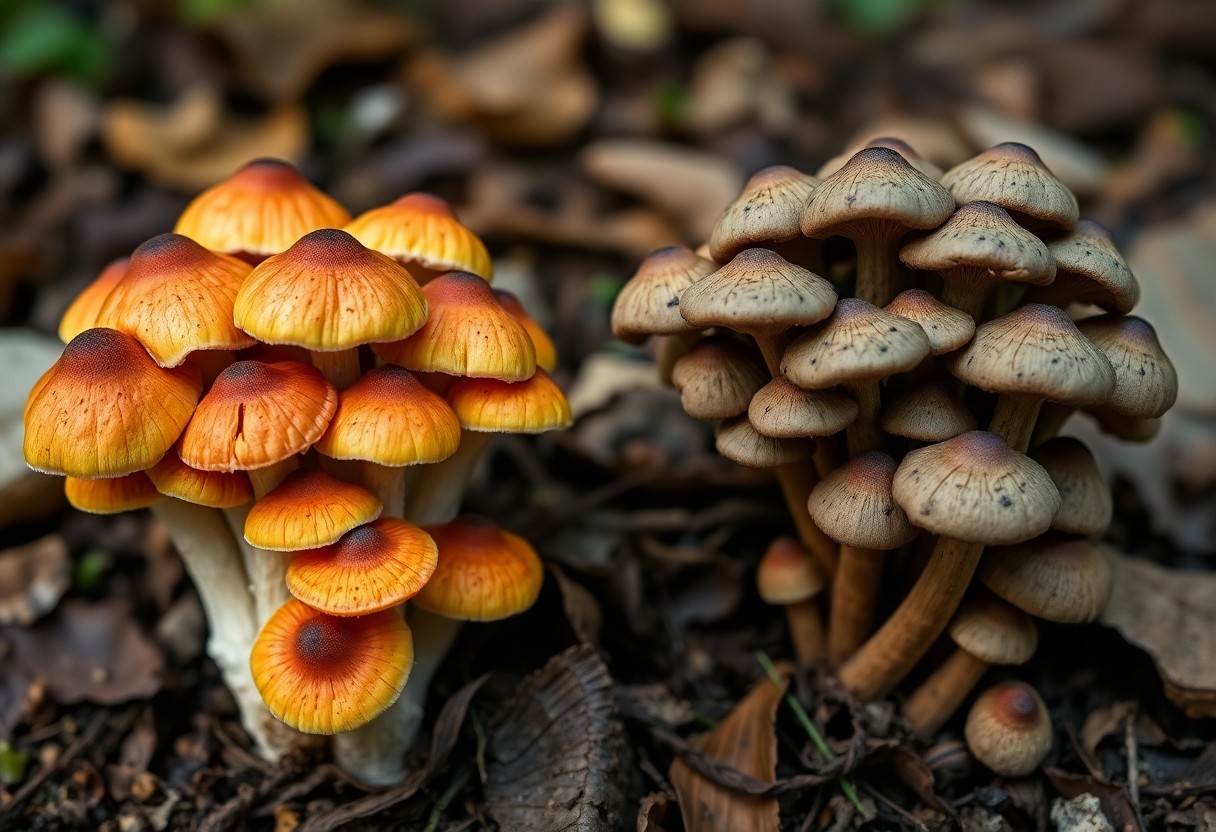
Not every mushroom that resembles a magic mushroom is safe to consume. In the context of identifying fake varieties, you must be diligent and educated about your options. Many mushrooms in the wild share similar anatomical features to real magic mushrooms, but their effects can be subtly or drastically different. You need to be especially cautious of lookalikes that can lead to unpleasant or even dangerous results. By familiarizing yourself with these impostors and their characteristics, you can better safeguard yourself from potential hazards.
Common Lookalikes
Fake magic mushrooms often find their way into the marketplace due to their visual similarities to well-known species such as Psilocybe cubensis. Mushrooms such as the Honey Mushroom (Armillaria mellea) or the Destroying Angel (Amanita bisporigera) are especially notorious for causing confusion. While the Honey Mushroom is edible and has a pleasant taste, the Destroying Angel is one of the deadliest mushrooms globally, capable of causing severe liver and kidney damage. You should be cautious and seek reliable identification resources before engaging in any foraging activities.
Indicators of Fakes
Assuming you’ve encountered mushrooms that resemble the varieties you know, certain indicators can help in determining if they are real or fake. Authentic magic mushrooms typically have a distinct appearance characterized by a conical cap that is often viscid or sticky, especially in humid conditions. In contrast, fake varieties might present with unusual colors, textures, or shapes that aren’t consistent with known species. Additionally, be cautious of overly large or uniformly shaped mushrooms, as these could indicate cultivation rather than a natural find.
Recognizing fake magic mushrooms doesn’t just rely on visual traits. Take note of the environment they grow in, as certain mushrooms prefer specific habitats. If you find mushrooms in areas where magic mushrooms are rare, this could be a warning sign. Additionally, consider the smell; genuine magic mushrooms usually have a mild, earthy scent. If the mushroom has a strong or unusual odor, it’s advisable to avoid consumption. Your safety comes first, so always cross-reference your findings with comprehensive guides or consult experts if you are uncertain about any mushroom identification.
Essential Tips for Determination
Now that you are equipped with knowledge about identifying real magic mushrooms, here are some necessary tips to enhance your determination process. First and foremost, familiarize yourself with the physical characteristics of the species you are interested in, as this foundational knowledge will significantly increase your chances of distinguishing authentic mushrooms from imitations. Pay attention to the environment where the mushrooms grow, as certain species prefer specific habitats. Always conduct research before commenceing on your identification journey.
- Look for color variations and stem structures.
- Note any distinctive smells or textures.
- Examine gills and spore prints carefully.
- Understand seasonal variations and local growth conditions.
Any mistakes in identifying magic mushrooms can lead not only to disappointment but potentially dangerous outcomes. Therefore, with these tips in mind, take your time when observing your specimens.
Observational Techniques
Observational techniques are vital when determining the authenticity of magic mushrooms. Start by examining the cap shape and color, as various species present unique features. For instance, many edible species have conical or bell-shaped caps, while others may appear more rounded or flattened. Pay attention to the consistent characteristics of the mushrooms across the area, because variations among individual specimens can signify non-edible types.
Additionally, checking the gills under the cap can provide vital clues. For most psychoactive mushrooms, the gill structure is usually exposed and can range from close together to spaced apart. A spore print, created by placing a cap cap-down on a piece of paper overnight, will allow you to identify the color of the spores—each species typically has a characteristic spore print color, which is a vital identification marker.
Safety Precautions
On your journey to identify magic mushrooms, safety precautions are paramount to ensure a safe experience. Before you even venture into the field, consider investing in a comprehensive field guide specific to local mushroom species. Education should be your first line of defense, as it allows you to identify toxic lookalike species that can pose serious health risks. Furthermore, never hurry your identification process; take as much time as needed to observe and compare before making any decisions.
Another important safety measure involves sharing your findings with an experienced forager or joining a local mycology group. This allows you to cross-check your identification with others who have expertise in the subject. Utilizing established resources, including field guides, apps, or identification forums, ensures you have multiple lenses through which to evaluate your find. By approaching your mushroom foraging with caution and thoroughness, you not only minimize risks but can also enhance your experience and enjoyment of nature.
Factors Influencing Identification
Despite the common belief that all magic mushrooms share recognizable traits, various factors can complicate their identification. Misidentifying mushrooms can have serious consequences for your health and safety, making it necessary to be well-informed. The identification process is affected by numerous elements, including:
- Environmental conditions
- Growth substrates
- Geographical location
- Seasonality
- Physical characteristics
Perceiving these variables and understanding how they interact will significantly enhance your skills in distinguishing between real and fake magic mushrooms.
Environmental Variables
To accurately identify magic mushrooms, you’ll need to consider the environmental variables that influence their growth. Factors such as soil composition, moisture levels, humidity, and nearby vegetation can affect the presence and appearance of mushrooms in their natural habitat. For example, some species thrive in decaying wood, while others prefer grasslands or forest floors. Consequently, assessing the specific environment where you find the mushrooms is vital for accurate identification.
Additionally, the time of day can play a role in your identification process, as light conditions can change the appearance of mushrooms and make certain colors or textures more or less visible. Familiarizing yourself with the types of habitats where specific species are likely to grow can make your identification efforts more effective.
Seasonality
The seasonal variations in climate and weather patterns can also impact mushroom identification. Different species have distinct growth periods, and some may only appear during certain times of the year. Understanding the seasonal patterns can help you know when to search for specific types of magic mushrooms, thereby increasing your chances of finding them and avoiding misidentification.
Variables such as temperature, precipitation, and sunlight exposure greatly influence the availability of specific mushroom species. For instance, certain types of magic mushrooms are more prevalent during the autumn months, whereas others may emerge in early spring. By taking these seasonal traits into account, you can refine your search and learn to better recognize the characteristics of edible mushrooms during various times of the year.
Expert Opinions and Resources
Many individuals seeking to differentiate between real and fake magic mushrooms may benefit from consulting experts in the field. Engaging with mycologists—professionals who study fungi—provides invaluable insights that extend beyond basic identification techniques. These experts can help you understand the specific characteristics of various species, as well as the environmental factors that might affect their growth. Additionally, mycologists often run workshops or seminars that could offer hands-on experience and the opportunity to ask questions, further enhancing your knowledge on this intricate subject.
Consulting Mycologists
Even if you have done extensive research on your own, the guidance of a mycologist can significantly deepen your understanding. They can assist you in differentiating between edible species and their toxic counterparts, ensuring that you can make informed decisions in your exploration. You may find that reaching out to local universities or botanical gardens for expert advice can lead to beneficial connections, whether through one-on-one consultations, community events, or reference to credible online resources.
Recommended Literature
With so much misinformation available, having a solid foundation of reputable literature can guide you in your quest to identify real magic mushrooms accurately. Books authored by mycologists and other reliable sources tend to contain detailed photographs, descriptions, and information on the habitats of different species. Utilizing these well-researched materials will not only help refine your identification skills but also enrich your overall understanding of the ecological roles that fungi play.
This literature often includes field guides that are convenient for on-the-spot reference, allowing you to compare what you see in nature with the images and descriptions in the book. In addition, many reputable works feature sections on the history, cultural significance, and potential risks associated with consuming magic mushrooms. By integrating this knowledge into your practices, you can cultivate a safe and informed approach to foraging and enjoyment.
Summing Up
Following this guide, you now have a better understanding of how to tell the difference between real and fake magic mushrooms. By assessing key characteristics such as color, size, habitat, and spore print, you can significantly reduce your chances of mistaking a potentially harmful mushroom for a beneficial one. Take your time to familiarize yourself with the specific species you are interested in, as this knowledge is vital for your safety and well-being. Always consult trusted sources and experts when in doubt.
For further information, explore resources that offer detailed descriptions and identification tips. For instance, you can check out How to Identify Magic Mushrooms to enhance your learning. By prioritizing thorough research and cautious observation, you can navigate the world of magic mushrooms with more confidence and assurance.
FAQ
Q: How can I visually identify real magic mushrooms?
A: Real magic mushrooms typically have a distinct appearance. They often feature a conical to bell-shaped cap that varies in color, usually ranging from brown to golden. The stem is usually slender and may have a more paler hue than the cap. Additionally, the gills underneath the cap are closely spaced and often darken as the mushroom matures. Look for features such as bruising; when fresh mushrooms are handled, they may turn blue. This blue staining is a characteristic of psilocybin-containing mushrooms and is a good indicator of authenticity.
Q: Are there any common poisonous mushrooms that resemble magic mushrooms?
A: Yes, several mushrooms can easily be confused with real magic mushrooms, some of which are toxic. One common lookalike is the Galerina species, which can appear similar but contains deadly toxins. Another is the Inocybe species, which can also be harmful. To differentiate, it is imperative to examine the specific characteristics of the mushrooms, such as spore prints and gill structure. Educating yourself on these differences and consulting trustworthy identification guides or mycology experts can help prevent accidental ingestion of harmful fungi.
Q: What should I do if I’m unsure about a mushroom’s identity?
A: If you have any doubts regarding the identification of a mushroom, it is best to err on the side of caution and not consume it. Mistakes in mushroom identification can lead to serious health risks. For a reliable identification, consider seeking help from local mycologists or join mushroom foraging groups where experienced members can assist. Additionally, you can use online resources and forums dedicated to mushroom identification. Always prioritize safety and never take the risk if you are uncertain about a mushroom’s authenticity.


Add comment