
The Science Behind Magic Mushrooms – How They Affect Your Brain
Over the years, magic mushrooms have garnered significant attention for their effects on the human brain. If you’re curious about how these fascinating fungi influence your mental state, you’re in the right place. In this post, you’ll discover the underlying science of psilocybin, the psychoactive compound found in magic mushrooms, and how it interacts with your brain’s receptors. We’ll explore both the potential benefits and risks involved, giving you a comprehensive understanding of how these substances can alter your perception, mood, and cognitive functions.
Key Takeaways:
- Psilocybin Interaction: Magic mushrooms contain psilocybin, which converts to psilocin in the body, affecting serotonin receptors in the brain.
- Altered States of Consciousness: Consumption of magic mushrooms can lead to profound changes in perception, mood, and cognition, often described as mystical experiences.
- Brain Connectivity: Research shows that psilocybin can enhance connectivity between different brain regions, potentially leading to new insights and perspectives.
- Potential Therapeutic Uses: Studies suggest that psilocybin may hold promise in treating mental health conditions such as depression, anxiety, and PTSD.
- Safety Profile: While generally considered safe, careful consideration of dosage and setting is important to minimize risks of negative experiences.
Understanding Psilocybin
Chemical Structure and Properties
Your exploration of magic mushrooms cannot be complete without understanding the core compound responsible for their psychedelic effects: psilocybin. At its essence, psilocybin is a naturally occurring psychedelic compound found in various species of mushrooms, particularly in the genus Psilocybe. Chemically, it is a phosphorylated form of psilocin, which means that the body converts psilocybin into psilocin after it is ingested. This transformation is vital as psilocin interacts with serotonin receptors in the brain, primarily the 5-HT2A receptor, leading to alterations in perception, mood, and cognition. This molecular structure is a significant factor in the compound’s hallucinogenic properties, making it unique among psychoactive substances.
Understanding the chemical structure of psilocybin can provide insight into its effects on your brain. At a molecular level, it shares similarities with serotonin, a neurotransmitter that regulates various functions such as mood, sleep, and appetite. When psilocybin enters your body, it mimics these neurotransmitter activities, influencing your brain’s communication networks. This connection explains not only the intense visual and auditory experiences users report but also the emotional and spiritual dimensions that often accompany a psychedelic session. The science behind this compound’s interaction with your neurochemistry sheds light on the profound experiences many individuals encounter when using magic mushrooms.
Historical and Cultural Context
With a rich history that dates back thousands of years, the use of psilocybin mushrooms has been woven into the cultural fabric of various civilizations across the globe. Many indigenous cultures, particularly in Mesoamerica, have utilized these mushrooms in spiritual practices and religious ceremonies. They are believed to facilitate connections with the divine, providing insight and guidance during rituals. Today, as modern societies begin to reevaluate and reintegrate these ancient practices, your understanding of psilocybin expands beyond mere chemistry to include its historical significance and the wisdom of those who came before you.
A deeper look into the historical and cultural context surrounding magic mushrooms reveals how early societies revered these natural psychedelics. From the Mazatec shamans in Mexico who utilized psilocybin mushrooms in healing ceremonies to the widespread use among the Aztec and Maya civilizations, these fungi have long been considered sacred. As you study the evolution of psychedelics in various cultural contexts, you can appreciate their role not only as psychoactive substances but as powerful tools for spiritual exploration, community bonding, and personal transformation.
Mechanism of Action
While the popularity of magic mushrooms continues to rise, understanding their mechanism of action provides valuable insights into how they affect your brain. The primary psychoactive compound in these mushrooms is psilocybin, which your body metabolizes into psilocin. Psilocin predominantly interacts with serotonin receptors, affecting various brain regions and altering your perception, mood, and cognition as a result. This interaction leads to profound experiences that can range from visual hallucinations to alterations in thought patterns and emotional states.
Interaction with Serotonin Receptors
Beside the primary action on serotonin receptors, the characteristic effects of magic mushrooms can be attributed to their affinity for the 5-HT2A receptor. This receptor plays a significant role in mood regulation, perception, and cognition. When psilocin binds to these receptors, it leads to increased neural connectivity and altered communication among different brain networks, resulting in experiences of unity, interconnectedness, and enhanced creativity. These profound alterations in subjective experience can provide therapeutic benefits, potentially assisting your mental health journey.
Effects on Neurotransmission
Beside the impact on serotonin receptors, magic mushrooms influence other neurotransmitters in your brain, most notably dopamine and glutamate. The modulation of these neurotransmitters significantly contributes to the overall psychoactive effects. For instance, enhanced glutamate activity can lead to alterations in synaptic plasticity and neural connectivity, affecting learning and memory processes. The interplay between these neurotransmitters creates a rich tapestry of experiences during your psychedelic journey, showcasing how complex and interconnected your mind truly is.
Considering the effects on neurotransmission, you benefit from a unique opportunity to explore altered states of consciousness. The changes in your brain’s wiring and communication circuits can lead to heightened awareness, emotional release, and insightful revelations. These effects may unravel underlying patterns in your thoughts and behaviors, paving the way for potential healing and personal growth as you process the experience through a new lens.
Psychological Effects
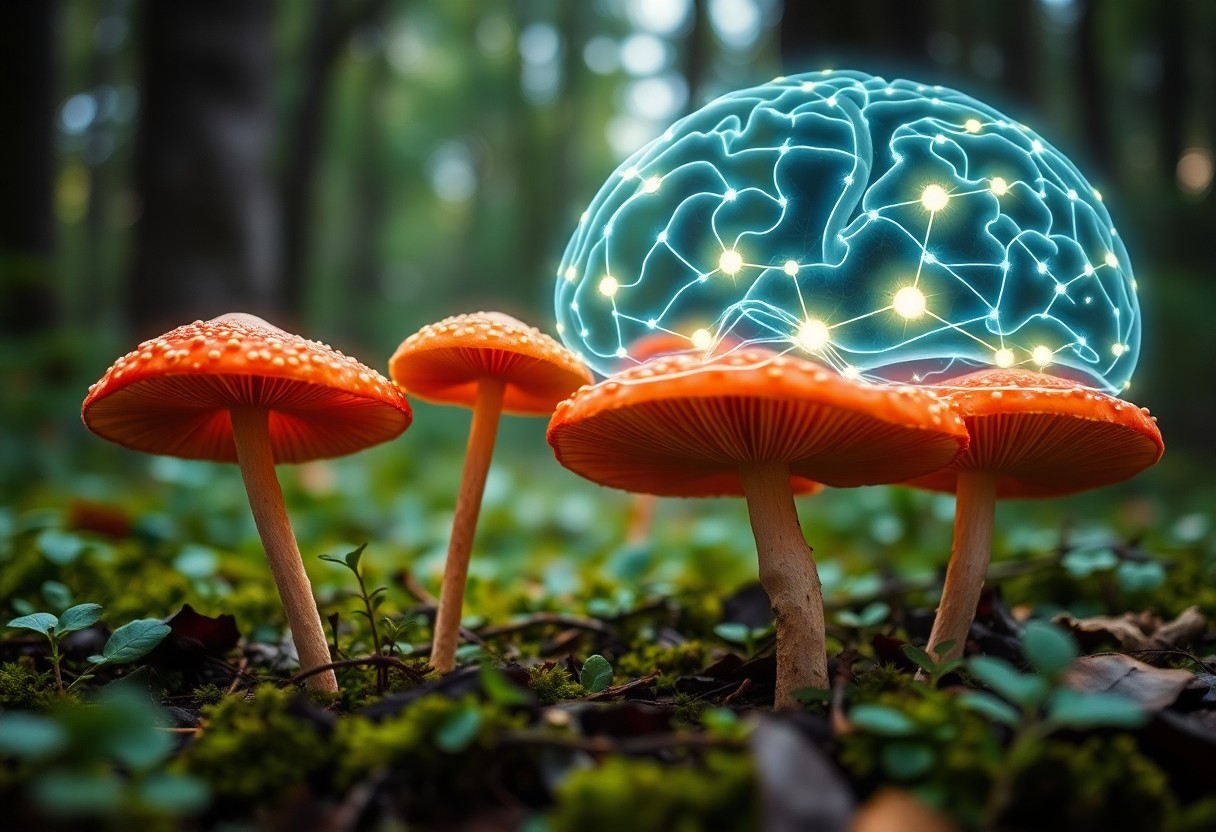
Many individuals who experiment with magic mushrooms report profound psychological effects, primarily induced by the active compound psilocybin. As these compounds enter your system, they begin to interact with serotonin receptors in your brain, particularly the 5-HT2A receptor. This interaction can lead to alterations in your perception, mood, and thought processes. You may find that your sensory experiences are heightened, everyday sounds and visuals can become more vivid, and you may even experience a shift in your sense of self, giving rise to spiritual or existential insights.
Altered Perception and Consciousness
Consciousness can expand in ways that challenge your understanding of reality while under the influence of magic mushrooms. Users often report changes in their perception of time, space, and even their connection to the universe. These experiences can range from euphoric bliss to deep introspection, and your awareness of your surroundings and internal landscapes may transform dramatically. Such profound shifts can be enlightening, leaving you to contemplate the nature of existence long after the experience has faded.
Emotional and Cognitive Impact
Against a backdrop of this altered state of consciousness, you may also encounter significant emotional and cognitive changes. Some users report a dissolution of negative thought patterns or an increased ability to process emotions and traumas, leading to a sense of catharsis. However, it’s imperative to approach these experiences with caution, as the vivid emotional states brought forth can also be overwhelming or disorienting.
To better understand the emotional and cognitive impact of magic mushrooms, consider that they can enhance your ability to introspect. This enhanced introspection can help you identify areas in your life that may require attention, such as unresolved conflicts or personal growth opportunities. Nevertheless, the intensity of these experiences necessitates a supportive environment and a positive mindset for integration to occur afterward, as the revelations gained during the trip can linger, promoting lasting change in how you perceive both yourself and the world around you.
Therapeutic Potential
Treatment of Mental Health Disorders
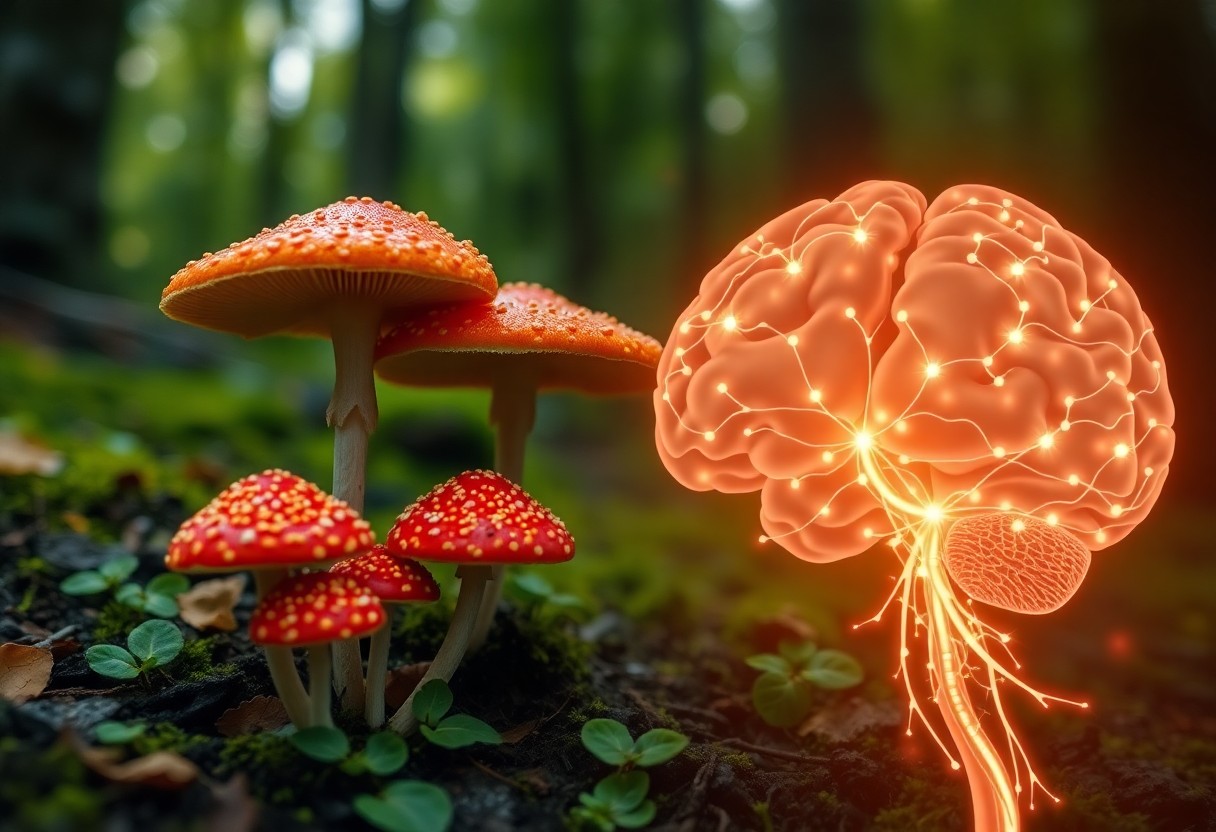
Any exploration of the therapeutic potential of magic mushrooms often leads you to the strains of psilocybin, the compound responsible for their hallucinogenic effects. Emerging evidence suggests that this substance may hold significant promise in treating a variety of mental health disorders, including depression, anxiety, and PTSD. Researchers believe that psilocybin works by prompting neuroplasticity, allowing your brain to form new connections and pathways that can lead to new ways of thinking and processing emotions. This offers an exciting prospect for individuals who have found little relief through conventional treatments.
Recent Research and Findings
Behind the scenes, a wave of recent studies has begun to shine a light on the potential benefits of psilocybin. Clinical trials have shown that in controlled settings, patients administered with psilocybin showed marked improvements in their symptoms of depression, with effects lasting for weeks or even months after treatment. One particularly compelling study highlighted its ability to facilitate deep psychological insights, providing individuals with the opportunity to address underlying issues that may contribute to their mental health struggles.
Consequently, scientists have begun to advocate for the integration of psychedelics into modern therapeutic practices, suggesting that psilocybin therapy could enhance traditional approaches to mental health treatment. By fostering emotional breakthroughs and increasing personal insight, magic mushrooms may provide a groundbreaking avenue for recovery, particularly for those who struggle with treatment-resistant conditions. As research continues to evolve, it’s vital for you to stay informed about how these findings can shape the future of mental health care.
Risks and Considerations
Despite the burgeoning interest in magic mushrooms for their potential therapeutic benefits, it is imperative to consider the risks associated with their use. These natural substances can lead to unwanted side effects such as anxiety, paranoia, and nausea. The hallucinogenic experience can vary significantly depending on the dose, your mental state, and the environment in which you consume them. Therefore, being mindful of your surroundings and your emotional readiness can impact your experience. Additionally, individuals with a personal or family history of mental health conditions should approach the use of magic mushrooms with heightened caution, as they may exacerbate underlying issues.
Side Effects and Safety Profile
Before consuming magic mushrooms, it is important to recognize that, while they are generally considered safe for recreational use, there are still notable side effects that you may encounter. Common adverse effects include disorientation, visual distortions, and altered perception of time, which can last for several hours. Though serious physical health risks are rare, heavy use can lead to psychological distress or triggers for latent psychiatric disorders. It is vital to remain aware of your own mental health status and to ensure that you are in a supportive environment when experimenting with these substances.
Legal Status and Ethical Implications
Along with their side effects, an important aspect of using magic mushrooms revolves around their legal status and the ethical implications of their use. In many places, these mushrooms remain classified as a Schedule I substance, making them illegal to possess, distribute, or use. This not only poses a risk of legal consequences but also affects the research surrounding their potential benefits. The stigma associated with illegal substances can hinder the broader acceptance and understanding of their therapeutic applications, thus making it crucial for you to stay informed about local laws and the ongoing debates surrounding the decriminalization and regulation of psilocybin.
This legal landscape is evolving, with some regions decriminalizing or even legalizing magic mushrooms for therapeutic use. However, the implications of this shift go beyond legality; it raises questions about cultural appropriation, access to psychedelic therapy, and the ethical considerations surrounding informed consent. As you navigate the use of magic mushrooms, it is beneficial to consider not only your own legal standing but also the societal and ethical contexts in which these substances exist.
Future Directions in Research
Emerging Studies and Trials
Future research on magic mushrooms holds promise as scientists around the world initiate groundbreaking studies and clinical trials. These investigations aim to better understand the effects of psilocybin, the active compound in magic mushrooms, on various psychological conditions such as depression, anxiety, and PTSD. As a participant in such studies or just an interested observer, you will find it fascinating to learn about the rigorous methodologies employed to ensure safety and efficacy. The findings from these trials could pave the way for innovative treatments and reshape the landscape of mental health care.
Potential for Broader Applications
On the horizon, the potential applications of psilocybin extend beyond treating mental health issues. Researchers are exploring how magic mushrooms might enhance cognitive function, improve creativity, and even foster deeper personal insights. This broadens the scope of interest within the scientific community, as well as among those who seek alternative approaches to self-improvement and personal growth. If proven effective, you might soon find opportunities to harness these benefits in various aspects of your life.
But, the exploration of psilocybin’s potential is still in its early stages. As studies progress, it’s vital to consider the implications of using magic mushrooms in everyday contexts. Experimental findings suggest that psilocybin could enhance cognitive flexibility and improve problem-solving skills. This raises interesting questions about how these effects can be harnessed in educational, professional, and creative settings. With ongoing research, you may witness a shift in how society perceives these natural substances, potentially leading to a more widespread acceptance and integration into holistic practices.
To wrap up
With this in mind, understanding the science behind magic mushrooms and how they affect your brain can provide you with valuable insights into their potential benefits and risks. By learning about the active compound psilocybin, you gain a clearer view of how it interacts with your brain’s serotonin receptors, leading to profound changes in perception, cognition, and mood. This knowledge is vital for approaching the use of magic mushrooms with an informed perspective, as it enables you to weigh the potential therapeutic benefits against the risks. Your awareness of the effects on neural connectivity can guide you in making informed decisions regarding your experiences with these substances.
Furthermore, as ongoing studies continue to unfold, the effects of psilocybin in magic mushrooms can influence the brain for weeks after consumption. Staying updated on the latest research allows you to engage in meaningful discussions about the therapeutic applications and ethical considerations surrounding psychedelics. By exploring resources such as this Psilocybin in magic mushrooms can influence brain for … article, you empower yourself with knowledge that can enhance your understanding of this fascinating area of neuroscience and its implications for mental health treatments. This journey not only enriches your knowledge base but also inspires a mindful approach to your personal exploration of these mystical fungi.
Q: What are the active compounds in magic mushrooms, and how do they affect the brain?
A: The primary active compounds in magic mushrooms are psilocybin and psilocin. When ingested, psilocybin is converted into psilocin in the body, which is responsible for the psychedelic effects. Psilocin primarily interacts with serotonin receptors in the brain, particularly the 5-HT2A receptor, leading to altered perceptions, mood changes, and cognitive effects. This interaction promotes increased communication between different brain regions, potentially resulting in heightened creativity and an altered state of consciousness.
Q: How do magic mushrooms impact mental health, particularly in terms of anxiety and depression?
A: Research suggests that magic mushrooms, specifically their active ingredients, may have therapeutic potential for mental health conditions like anxiety and depression. Some studies indicate that psilocybin can help reduce symptoms by promoting neuroplasticity, enabling the brain to form new connections and pathways. Additionally, the experience can promote deep introspection, helping individuals process trauma or negative experiences. This transformative aspect of the psychedelic experience has been linked to lasting positive changes in mental health outcomes.
Q: Are there any risks or side effects associated with using magic mushrooms?
A: While magic mushrooms can have therapeutic benefits, they also carry potential risks. Users may experience psychological distress, anxiety, or paranoia during their trip, particularly in an uncontrolled environment. Additionally, the effects can vary significantly depending on dosage, individual psychology, and setting. In some cases, individuals may experience flashbacks or persistent changes in perception after the experience, known as Hallucinogen Persisting Perception Disorder (HPPD). It is necessary for individuals to approach magic mushrooms with caution and ideally under the guidance of a mental health professional in therapeutic settings.


Add comment