
Can You Overdose on Magic Mushrooms? What Science Says
You may be curious about the safety of using magic mushrooms and whether it’s possible to overdose on them. While these mushrooms contain psilocybin, a substance that can induce powerful psychedelic experiences, understanding the risks associated with their use is crucial for your well-being. This post explores the science behind magic mushrooms and sheds light on the potential for overdose, helping you make informed decisions as you navigate this intriguing area of psychedelics.
Key Takeaways:
- Overdose Risk: Magic mushrooms, containing psilocybin, have a low risk of fatal overdose compared to other substances.
- Dosage Variation: Effects can vary significantly based on dosage, individual tolerance, and the specific type of mushroom.
- Physiological Effects: Unlike other drugs, a high intake of psilocybin may lead to intense psychological experiences rather than physical harm.
- Safe Consumption: Users are advised to start with a low dose and in a safe environment to minimize potential adverse effects.
- Scientific Insights: Ongoing research is exploring psilocybin’s therapeutic benefits, indicating potential for safe clinical use under supervision.
Understanding Magic Mushrooms
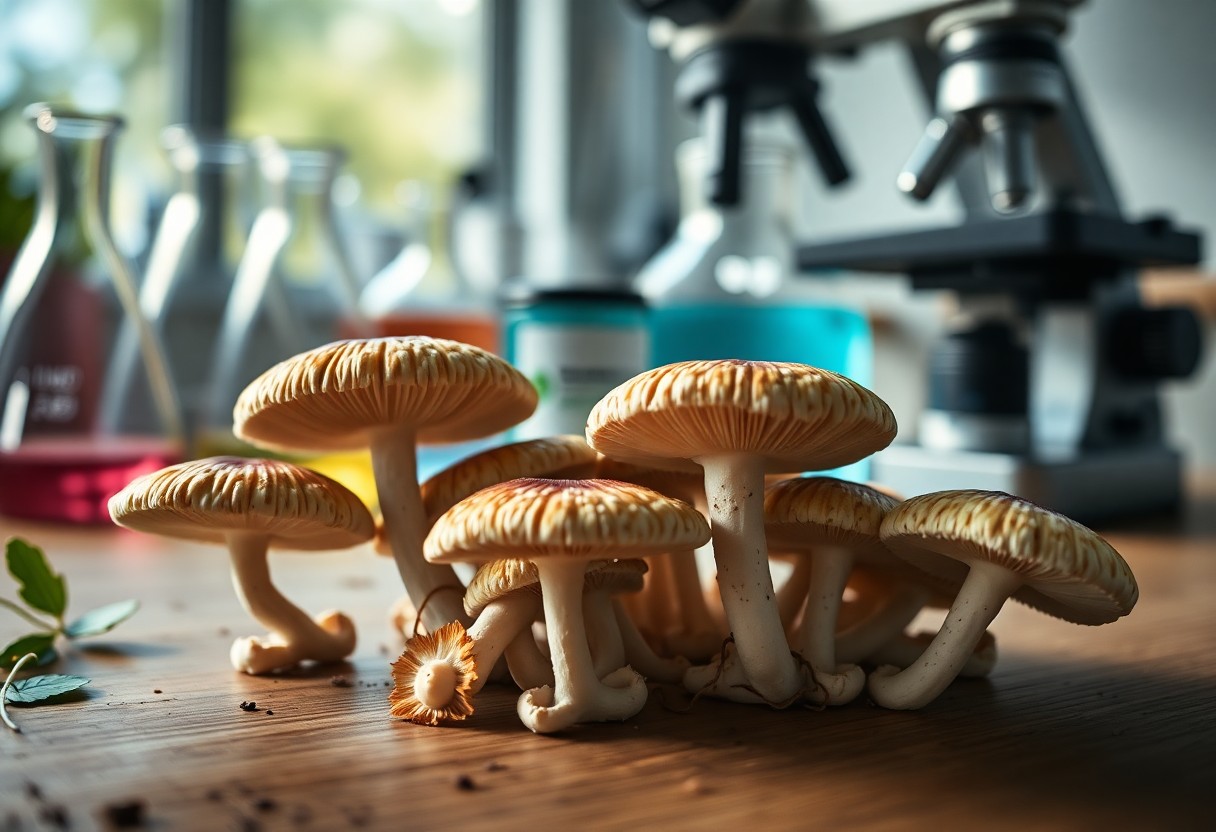
While exploring the fascinating world of magic mushrooms, it’s important to understand what they are and how they affect your body and mind. Magic mushrooms, also known as psilocybin mushrooms, contain psychoactive compounds that can influence perception, mood, and cognitive processes. These mushrooms have become a topic of interest not only for recreational use but also for potential therapeutic applications, particularly in mental health, prompting researchers to investigate deeper into their complex effects and safety profiles.
Active Compounds and Their Effects
Effects of magic mushrooms primarily stem from the presence of psilocybin and psilocin, which are the key compounds responsible for their mind-altering effects. When ingested, your body converts psilocybin into psilocin, which interacts with serotonin receptors in the brain. This interaction can lead to a variety of effects, including visual and auditory hallucinations, an altered sense of time, enhanced emotional experiences, and profound insights. The intensity and duration of these effects can vary greatly depending on numerous factors, including dosage, individual physiology, and the environment in which the mushrooms are consumed.
History of Use in Various Cultures
Various cultures around the world have utilized magic mushrooms for centuries, often in spiritual and religious contexts. Indigenous peoples in Mesoamerica, for instance, have a rich tradition of using psilocybin mushrooms in rituals, ceremonies, and healing practices. Evidence suggests that these mushrooms played a significant role in Aztec and Mayan cultures, where they were considered sacred and believed to facilitate communication with the divine.
Another notable aspect of the history of magic mushrooms is their resurgence in modern times, particularly during the 1960s counterculture movement. As interest in psychedelics grew, numerous studies emerged, highlighting their potential benefits for psychological well-being. Today, you may find a growing acceptance of psilocybin in the medical field, as research continues to support its efficacy in treating conditions such as depression, anxiety, and PTSD. This historical context sheds light on the evolving perception of magic mushrooms and their role in human culture.
The Science of Overdose
Defining Overdose and Its Symptoms
Behind the term “overdose” lies a spectrum of effects that occur when you consume a substance in amounts that exceed its typical therapeutic range. While the potential for overdose exists for various substances, the symptoms can vary widely. With magic mushrooms, an overdose might not lead to the severe health risks often associated with other drugs, but it can still result in uncomfortable physical and psychological experiences. Common symptoms may include extreme confusion, agitation, anxiety, and, in some cases, hallucinations that feel overwhelming.
Your experience with an overdose can be influenced by various factors, including the dosage, your individual tolerance levels, and the specific strain of magic mushroom ingested. Signs to look out for can include nausea, vomiting, dizziness, and a general feeling of disconnection from reality. Understanding these symptoms can help you make informed decisions if you choose to explore the use of magic mushrooms.
Comparing Magic Mushrooms to Other Substances
Between the world of psychedelics and other recreational substances, it’s important to understand where magic mushrooms stand in terms of overdose potential. When comparing the toxicity levels of various drugs, you might find that magic mushrooms rank relatively low. Below is a table that illustrates how they compare to some commonly misused substances.
| Substance | Overdose Risk Level |
| Magic Mushrooms | Low |
| Cocaine | High |
| Alcohol | High |
| MDMA | Moderate |
Considering the broader context of overdose potential, it’s evident that magic mushrooms are less likely to result in life-threatening situations compared to highly addictive substances like cocaine or high doses of alcohol. However, even with a lower overdose risk, it’s vital not to dismiss the experiences that can arise from consuming higher-than-recommended amounts of psilocybin. Persistent overindulgence can lead to adverse psychological outcomes, even if physical harm is less likely. Always proceed with caution and seek to educate yourself on safe usage practices.
Research Findings on Safety
Now, as you research into the safety of magic mushrooms, it’s necessary to examine the research findings that provide clarity on this topic. While the use of psilocybin, the active component in magic mushrooms, has shown potential benefits in therapeutic settings, understanding the boundaries of safe consumption is vital. Through clinical studies and anecdotal evidence, researchers have sought to establish guidelines that can help you navigate the risks associated with mushroom use.
Clinical Studies and Anecdotal Evidence
By reviewing clinical studies, you may find that the overwhelming evidence suggests that psilocybin has a low potential for toxicity and a high safety profile when used in controlled environments. Studies have indicated that doses of psilocybin far exceed typical recreational amounts, posing minimal risk of fatal overdose. Anecdotal evidence from users who engage with these substances in a mindful manner often recount positive experiences, emphasizing therapeutic benefits such as reduced anxiety and improved emotional well-being. However, these accounts are varied and highlight the importance of context in determining the safety of mushroom use.
Risk Factors for Negative Experiences
Above the encouraging findings, it’s important to acknowledge risk factors that could lead to negative experiences during psilocybin use. Your mental health stability, the environment in which you consume the mushrooms, and the dosage can significantly impact your experience. Situations of stress, anxiety, or even physical discomfort can amplify adverse effects. You should consider the following factors that may heighten these risks:
- Your current mental health state
- The presence of supportive peers during your experience
- The setting in which you consume the mushrooms
- The dosage you choose to take
- Your past experiences with psychedelics
Perceiving these factors can help you create a safer experience and minimize potential negative outcomes associated with psilocybin use.
Understanding how these risk factors interplay can be key to ensuring a positive experience with magic mushrooms. When you approach this subject thoughtfully, acknowledging the variability in individual responses to psychedelics, you can better equip yourself for a safer journey. It’s equally necessary to consider the following aspects that could influence your experience:
- Your personal expectations and mindset before consumption
- The physical environment, such as lighting and comfort
- The company you keep during the experience
- The frequency of your use of psychedelics
- Your level of hydration and nutrition prior to consumption
Perceiving these elements allows you to enhance your overall experience while reducing the likelihood of adverse reactions.
Psychological Impacts of High Doses
After consuming high doses of magic mushrooms, you may experience a wide array of psychological effects that can vary significantly depending on your mindset and the environment you are in while using them. These effects can include intense euphoria, profound introspection, and a heightened sense of connection with your surroundings. However, the emotional landscape can also turn negative, leading to anxiety, paranoia, or overwhelming feelings of confusion, especially if the experience feels out of your control. Understanding these potential psychological impacts is key to safely navigating the psychedelic experience.
The Role of Set and Setting
To mitigate the risks associated with high doses, it’s important to consider the concepts of “set” and “setting.” The term “set” refers to your mental state, including your mood, expectations, and emotional well-being before taking the substance. A positive mindset can enhance your experience, promoting feelings of safety and connection. Conversely, if you approach the experience with negativity or unresolved issues, you may find yourself facing challenging emotional landscapes during your trip. Additionally, the “setting,” or environment in which you consume the magic mushrooms, also plays a significant role. A comfortable, safe space can help ground you, while an chaotic or restless environment may contribute to a difficult experience.
Potential for Hallucinogen Persisting Perception Disorder
With high doses, there is also the potential risk for Hallucinogen Persisting Perception Disorder (HPPD), a condition that can lead to the recurrence of visual disturbances long after the effects of the drug have worn off. Symptoms may include persistent alterations in visual perception, such as trails following moving objects, or visual snow. While HPPD is not common, it can be distressing for those who experience it. Understanding the potential for this condition helps in making informed decisions about substance use.
Disorder can affect your daily life significantly, leading to anxiety and confusion, particularly when such visual disturbances interfere with your routine activities. The duration of HPPD can vary from person to person, and while some may see a resolution within weeks, others may have symptoms that last for months or even years. Harnessing this information can empower you to take precautions to minimize risks, such as avoiding high doses and ensuring a supportive setting. Consulting professionals knowledgeable in psychedelic use can further aid in risk management if you are considering exploring these substances.
Emergency Responses and Treatments
Recognizing an Overdose
Any signs of an overdose on magic mushrooms can vary depending on individual sensitivity and the amount consumed. You may experience intense hallucinations, significant confusion, agitation, or even panic attacks. Physical symptoms can include nausea, vomiting, and, in severe cases, seizures. If you or someone you know begins to exhibit these symptoms after ingesting magic mushrooms, it is necessary to take them seriously, as they may indicate an overdose or an adverse reaction that requires immediate attention.
Any combination of these symptoms should lead you to evaluate the situation promptly. It’s important to stay calm and assess the environment you are in; surrounding yourself with a safe and trusted group can help mitigate anxiety. If the symptoms escalate or worsen, or if there are signs of life-threatening reactions, seeking professional medical help without delay is advised. Your awareness of these symptoms could be vital in determining the appropriate action to take.
Recommended Actions and Help Resources
Any situation involving a suspected overdose on magic mushrooms demands careful action. If you notice severe symptoms, it is critical to call emergency services right away. While waiting for help to arrive, ensuring the individual’s safety is paramount. Lay them down in a comfortable position, monitor their breathing, and provide comfort without overwhelming them. If the individual is conscious and coherent, encouraging them to breathe slowly can help alleviate some anxiety.
And, having a list of local mental health resources or hotlines can be beneficial for you or anyone in your circle who may will need assistance during a psychedelic experience. Organizations like the National Suicide Prevention Lifeline or local crisis centers often provide support and guidance when you’re unsure how to handle a distressing situation. Equipping yourself with knowledge about local resources ahead of time can enhance your readiness for any emergencies involving magic mushrooms.
Legal and Ethical Considerations
Current Laws Surrounding Magic Mushrooms
An integral aspect of understanding magic mushrooms is grasping the current laws that govern their use. In many countries, psilocybin, the active compound in magic mushrooms, is classified as a Schedule I substance, which means that it is considered illegal and has a high potential for abuse. In the United States, for example, federal law prohibits the possession, distribution, and cultivation of magic mushrooms. However, certain cities and states, like Oregon and Denver, have begun to implement laws that decriminalize the possession and personal use of psilocybin, reflecting a shift in public opinion about the drug’s potential benefits.
The Debate on Decriminalization and Medical Use
About the ongoing debate regarding the decriminalization of magic mushrooms and their potential medical applications, advocates argue that legalizing psilocybin could lead to breakthroughs in mental health treatment, particularly for conditions like depression, anxiety, and PTSD. Proponents highlight research indicating that psilocybin can facilitate profound psychological change and improve well-being, sparking discussions about its therapeutic potential as a controlled substance. However, detractors warn about the risks associated with unsupervised use, emphasizing that more research is needed to fully understand the long-term effects and safety of psilocybin treatments.
Indeed, as more studies emerge showcasing the benefits of psilocybin, the discourse surrounding its legal status continues to evolve. You might find it interesting that many universities and organizations are actively researching the implications of psilocybin in therapeutic settings, which is encouraging a reevaluation of magic mushrooms from a purely criminal perspective to a potential health asset. Consequently, staying informed about local laws and the growing body of research can help you navigate the complexities surrounding this intriguing substance.
Conclusion
So, when it comes to the question of whether you can overdose on magic mushrooms, the science suggests that while severe complications are rare, they are still possible under certain circumstances. The primary psychoactive compound in these mushrooms, psilocybin, does not usually lead to life-threatening outcomes, but the experience can be profoundly intense and potentially overwhelming. It’s vital to recognize that individual reactions will vary based on your mental state, the environment, and the amount consumed. Careful consideration and respect for the substance can go a long way in ensuring a safe experience.
If you’re concerned about the potential for overdose or adverse effects, it’s wise to educate yourself further. You might find it helpful to explore resources that research into the risks associated with psychedelics. For detailed information, check out this link on Can You Overdose on Shrooms? Understanding the nuances surrounding magic mushrooms can empower you to make informed choices about your health and well-being. Always approach these substances with caution and respect, and consult with professionals if you have any concerns.
FAQ
Q: Can you overdose on magic mushrooms?
A: While the term “overdose” typically implies a lethal amount, magic mushrooms (containing psilocybin) are considered to have a high safety margin compared to many other substances. While it is unlikely to experience a fatal overdose from magic mushrooms, consuming an excessive amount can lead to very intense trips, resulting in psychological distress, confusion, or agitation. It is important to approach their use with caution and to understand individual tolerance levels.
Q: What are the symptoms of taking too much magic mushrooms?
A: Taking a high dose of magic mushrooms can lead to a range of symptoms that may include extreme anxiety, paranoia, hallucinations, nausea, and disorientation. Some users may experience “bad trips,” which can be terrifying and overwhelming. While these symptoms are generally not life-threatening, they can be psychologically challenging and may require a supportive environment to help the individual manage the experience.
Q: How does the body metabolize psilocybin from magic mushrooms?
A: Once ingested, psilocybin is rapidly converted to psilocin, the active compound that affects the brain. Psilocin interacts with serotonin receptors, leading to altered perception and mood. The body metabolizes psilocin relatively quickly, with effects lasting approximately 4 to 6 hours, depending on the dose and individual metabolism. However, individual responses can vary significantly based on factors such as body weight, mindset, and environment.


Add comment